AI images from 3D models that match the real product
You already scanned the product into a 3D asset. Runflow renders off that model so the shape, logos, and color stay exact, generates only the scene around it, and scores every image before it ships.
- Renders off your 3D asset
- Logos and scale stay exact
- Every image scored before it ships
Watch your scan become your content pack
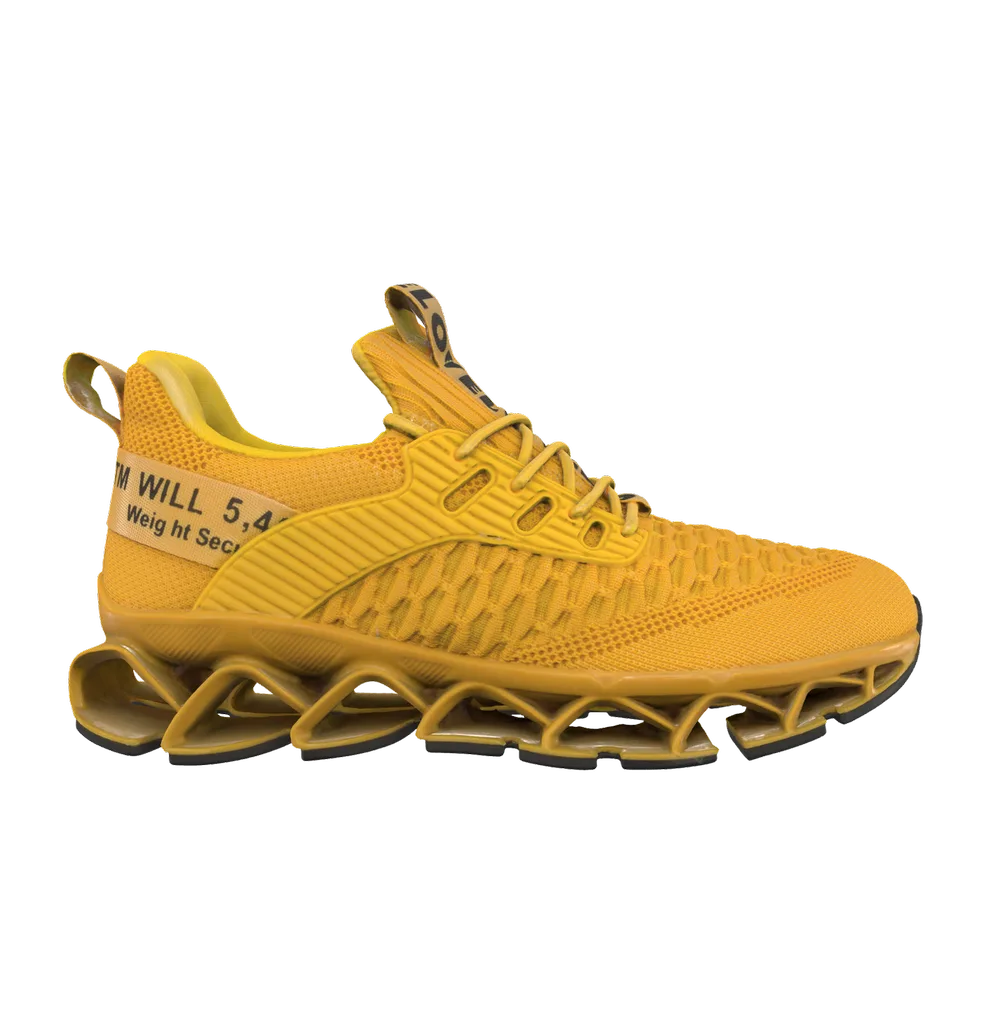
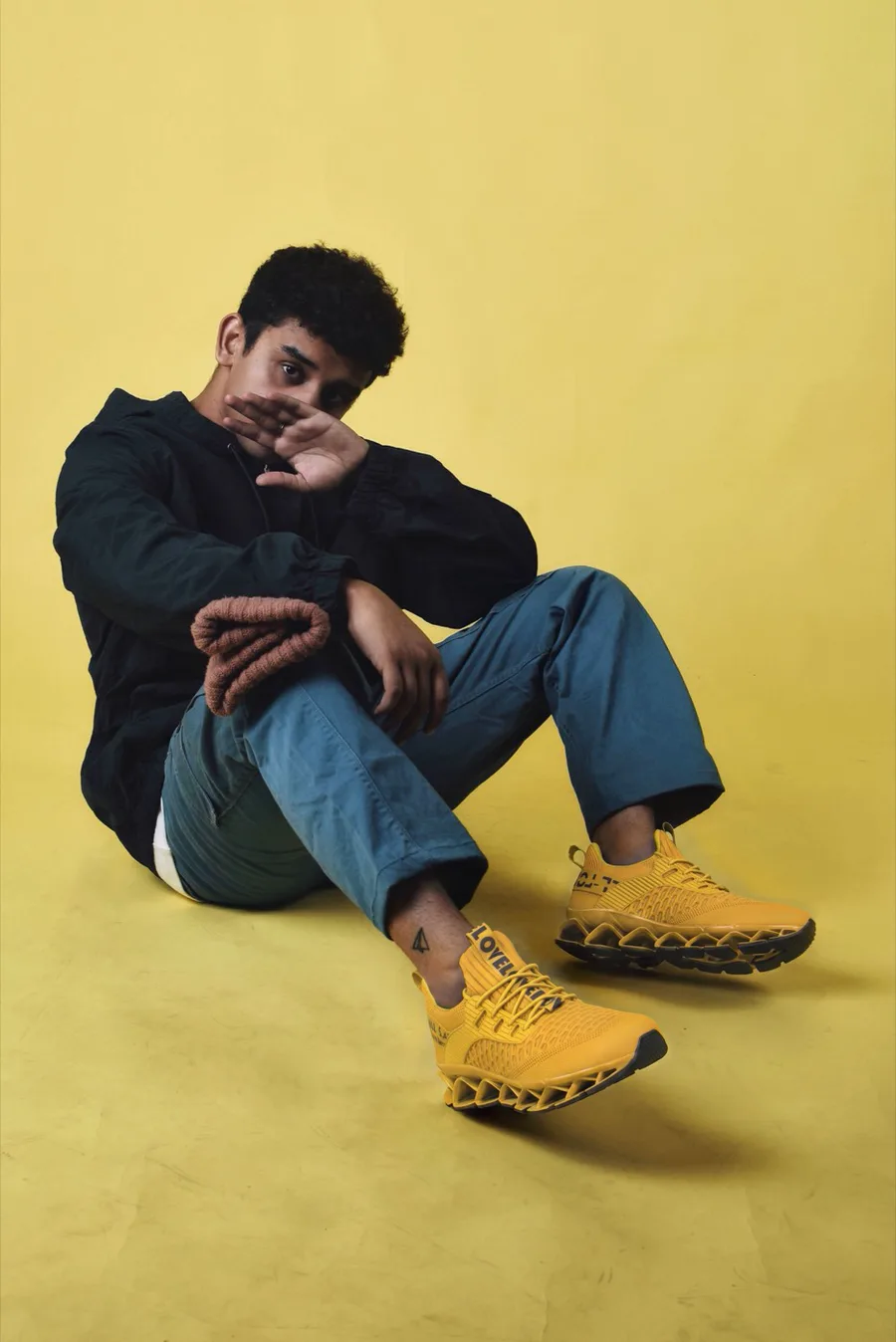
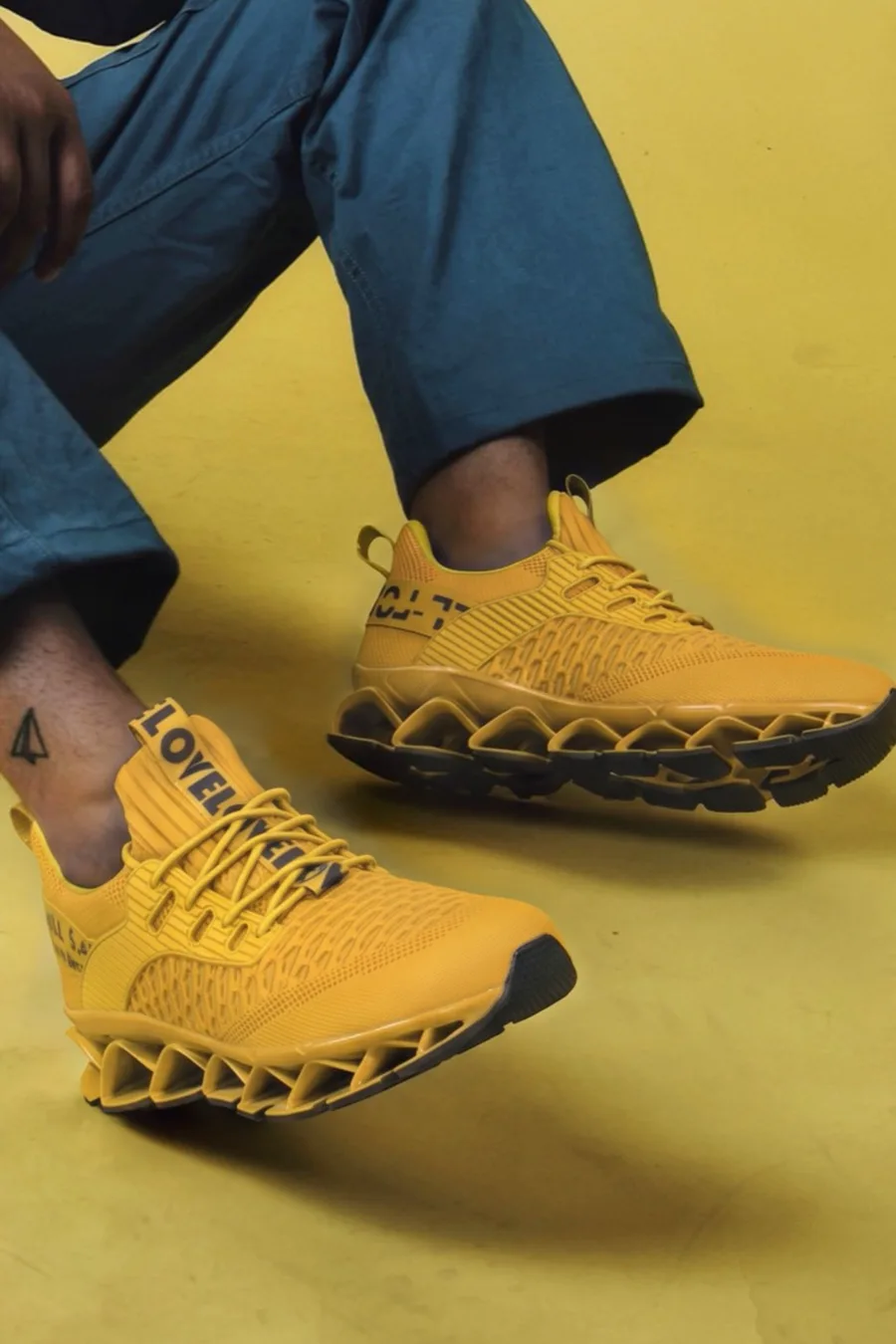
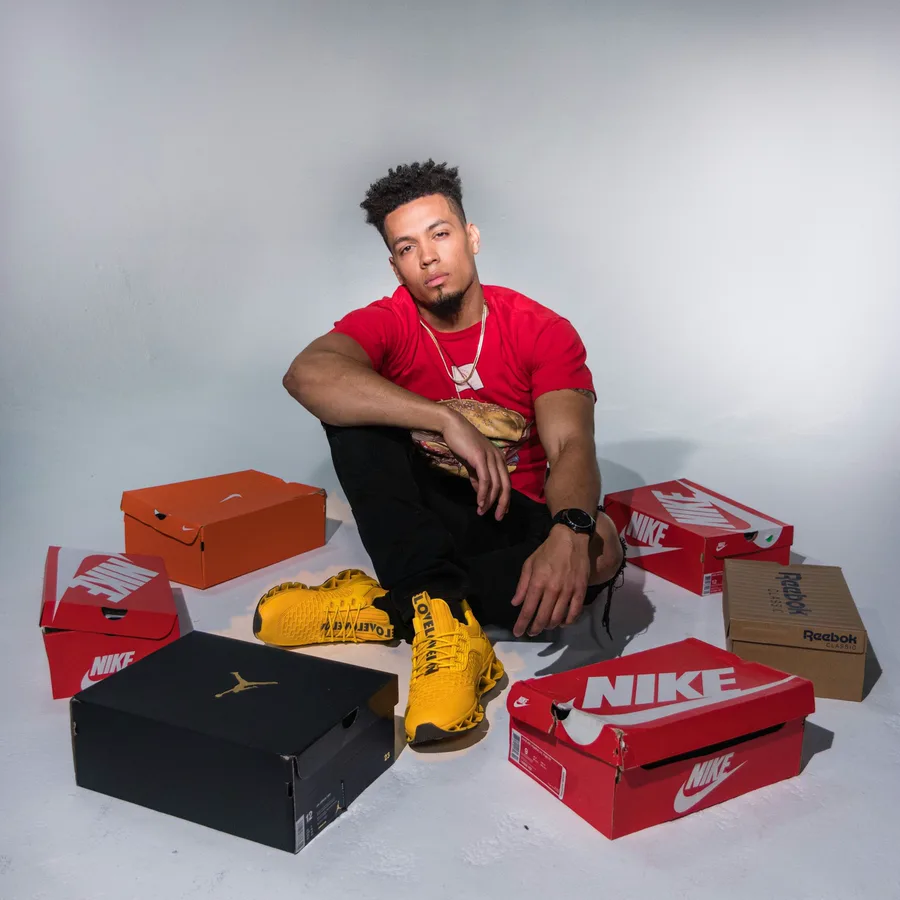
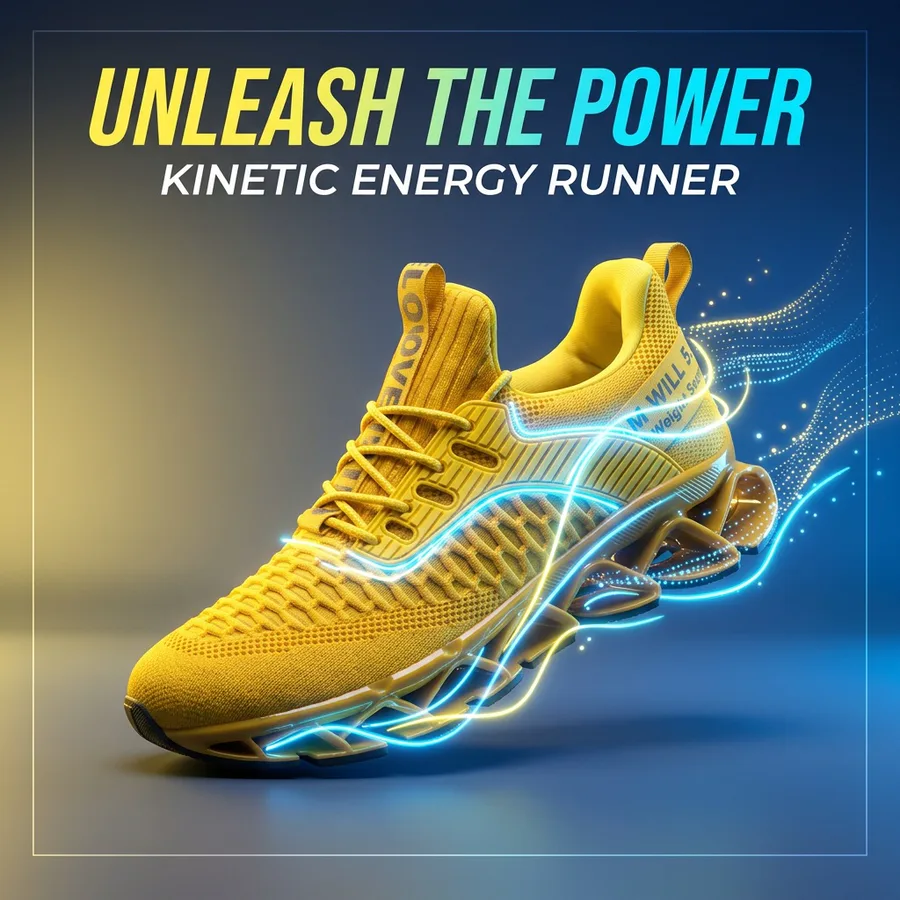
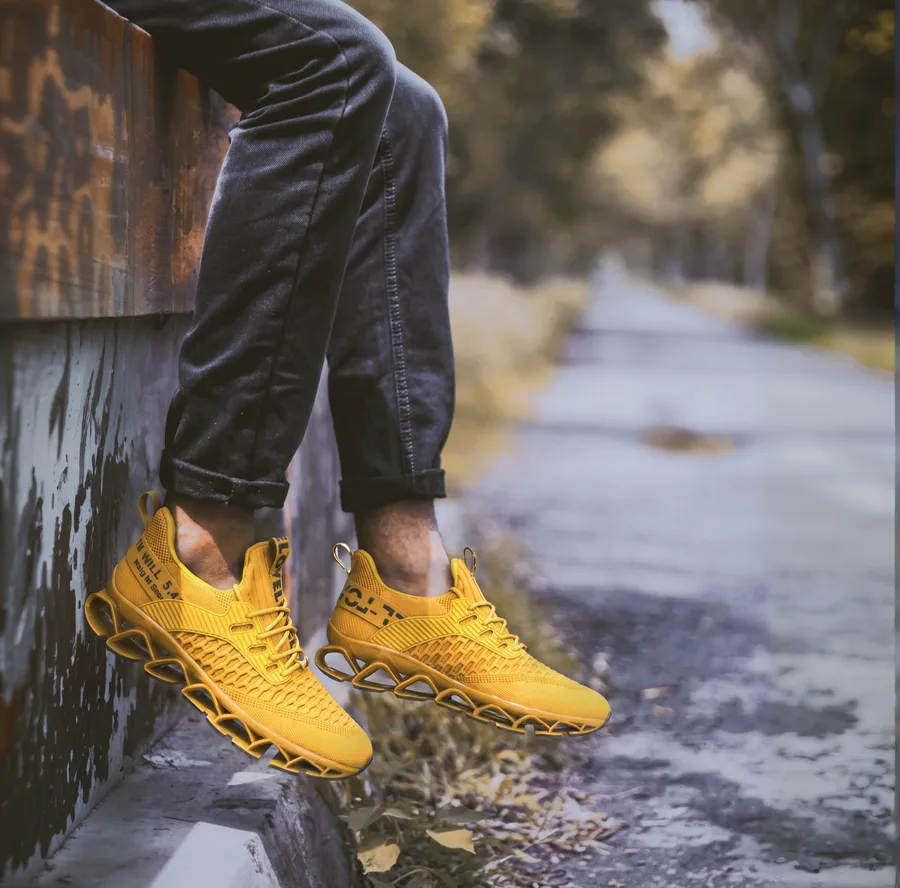
The 3D-to-image workflow, built and run for you
The flow your clients run: pick a product, describe the shot, get a rendered image, then edit and resize it for any channel. Runflow builds and runs the pipeline underneath. The first step is live to try now as the 3D File Image Prompting API, with more 3D workflows on the way.
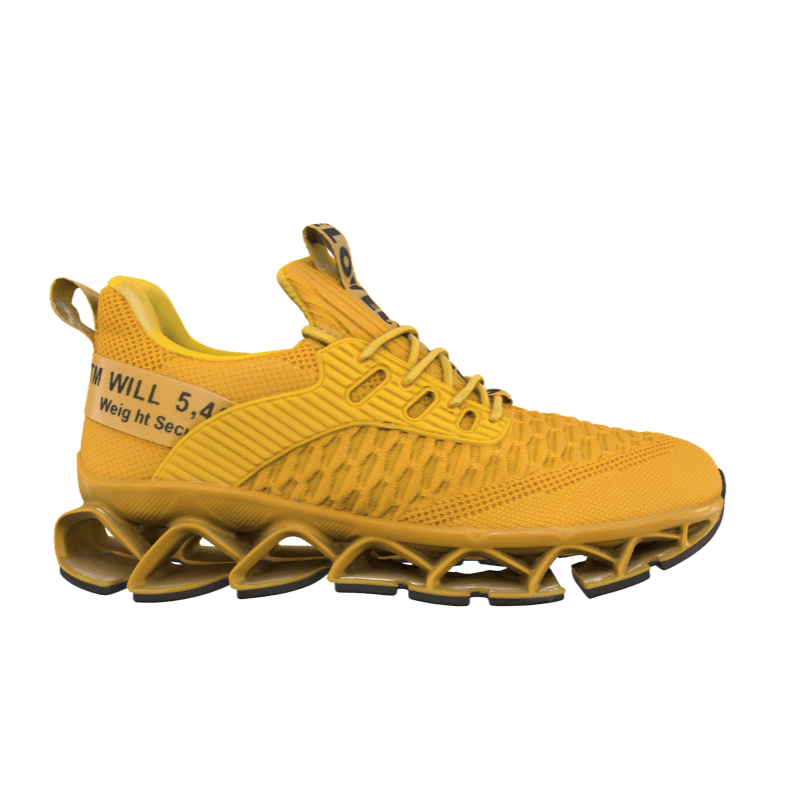
Selected product
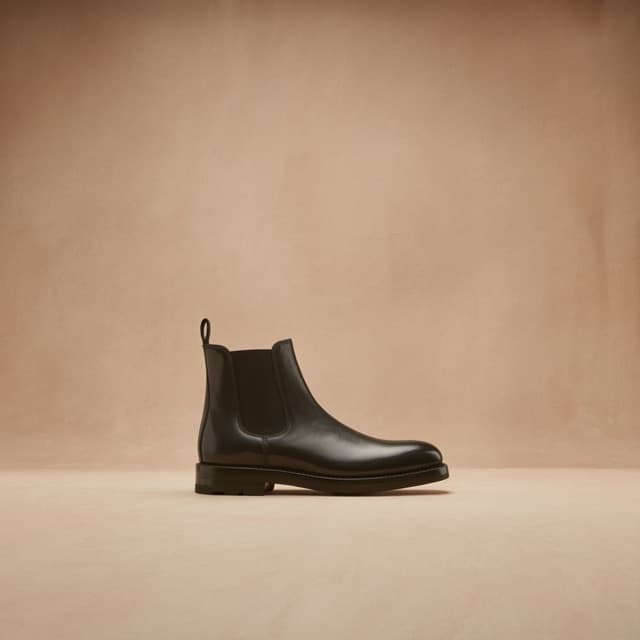
3D modelChoose a product from your catalog. We take its diffuse texture map and 3D model to render from.
Evaluate
Evaluation that catches what other providers miss
See the quality you ship across the workflows you build, scored on every call.
Evaluations
2,924
last 30 days
Pass rate
89.53%
of all evaluations
Avg score
0.91
out of 1.00
Gate failures
20
0.7% of evaluations
Failed judges
1,133
0.4 per evaluation
Regenerate rate
9.68%
lower is better
Catches bad inputs before you spend on a generation.
Every result graded against the checks that matter.
One ID ties the input, the score, and the retry together.
Studio SDK
We ship an AI studio under your brand
A full editing studio inside your product, in your colors. You bill your customers. We build it and run it.
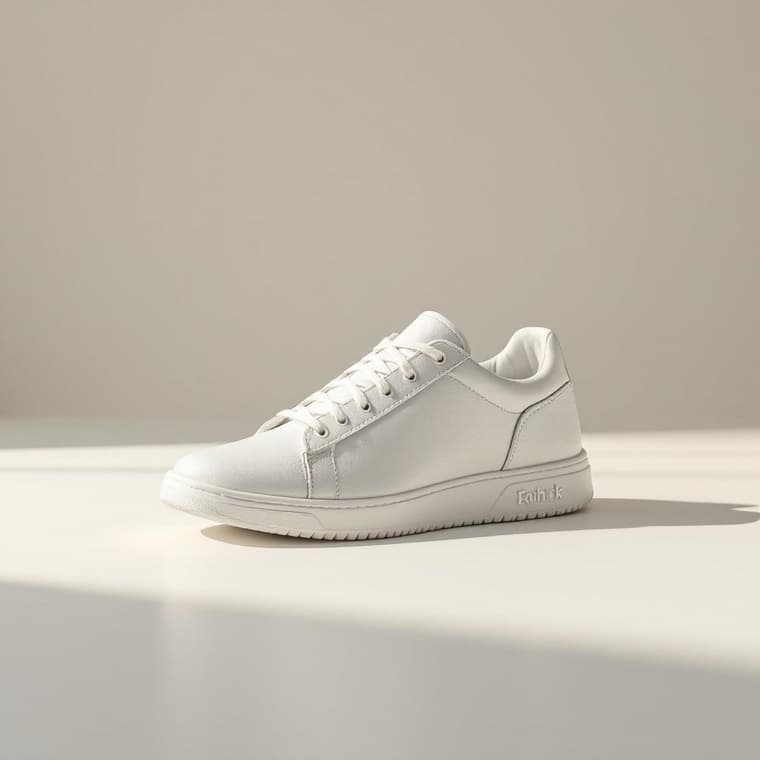
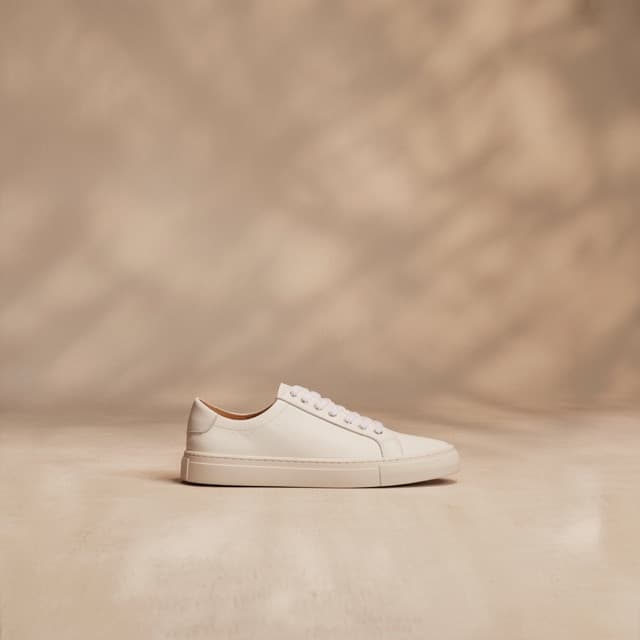
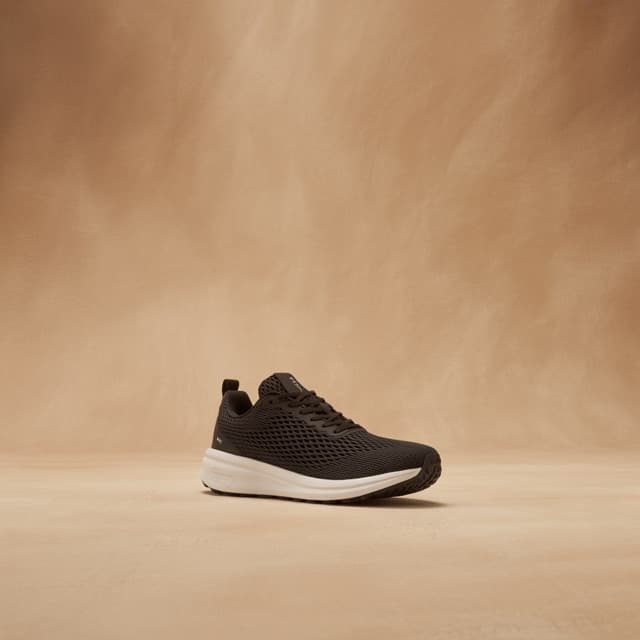
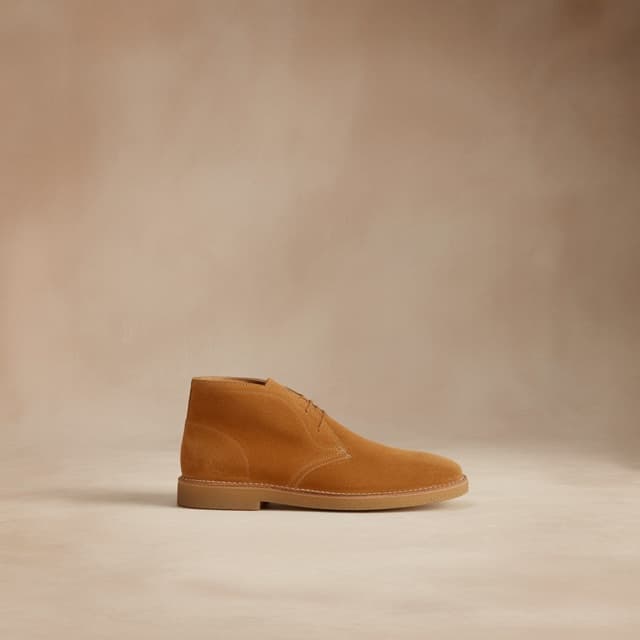
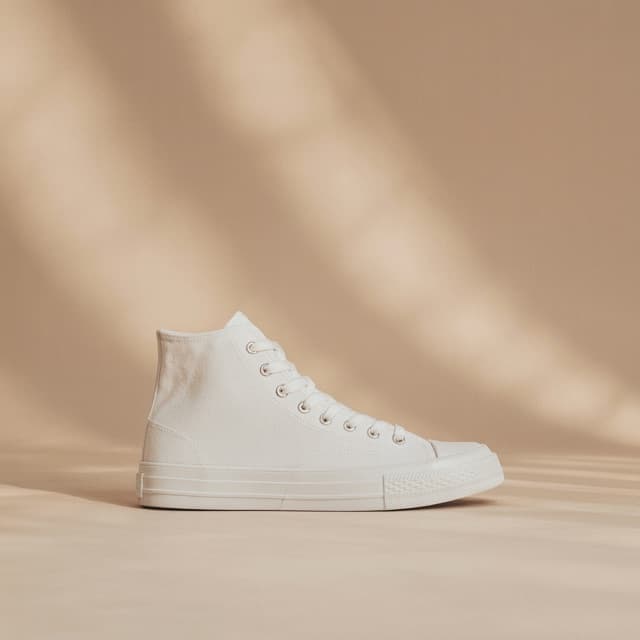
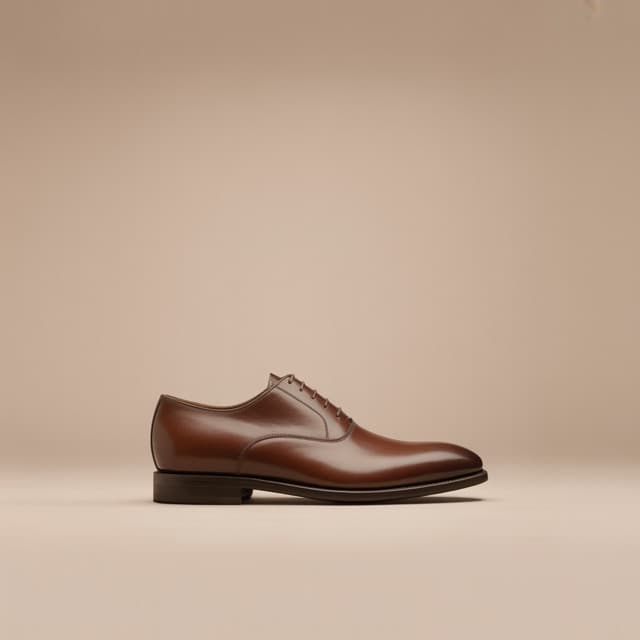
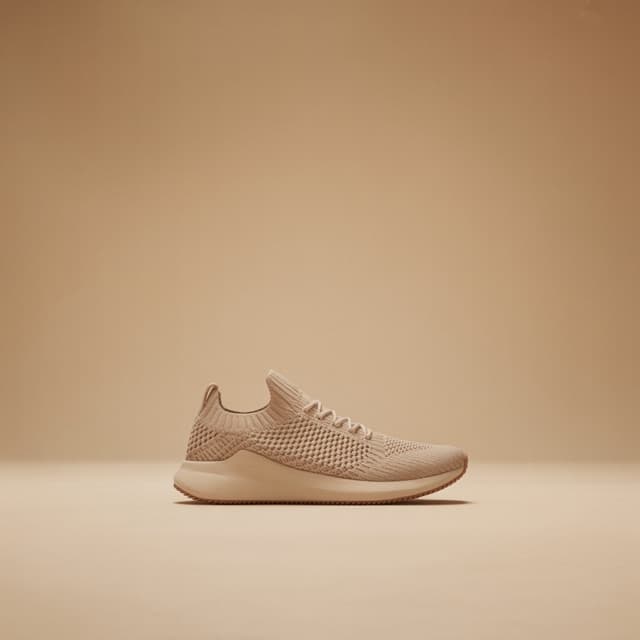
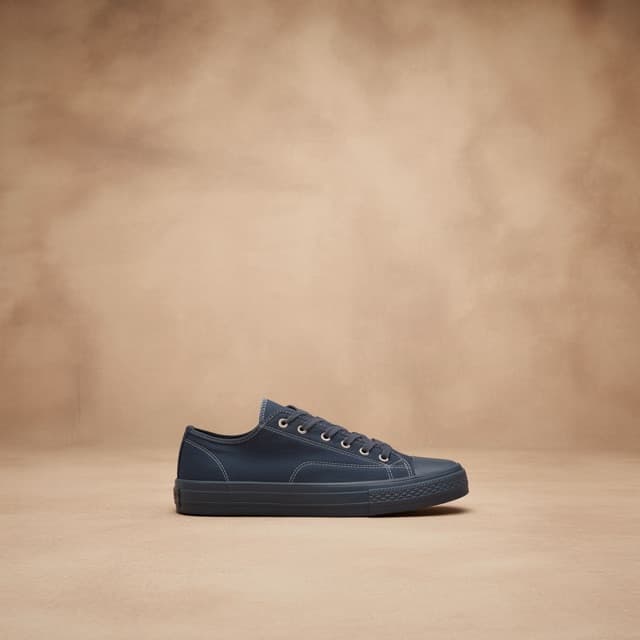
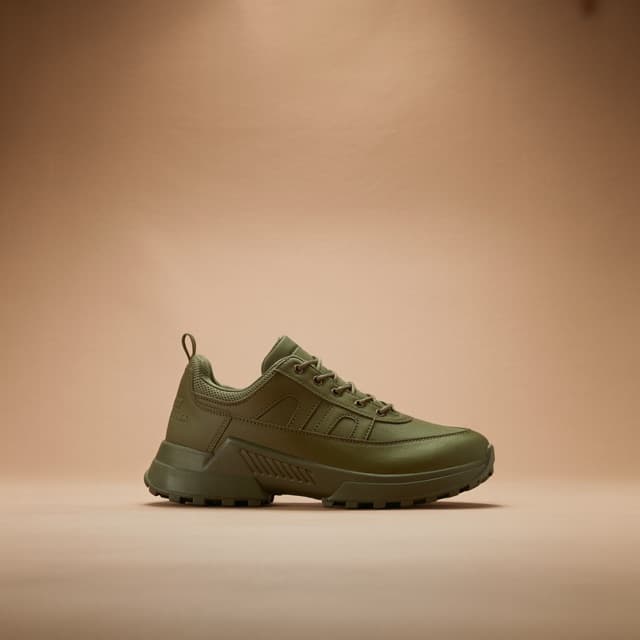
 1K
1KOriginal
Custom
New recipe
Build another chain from scratch
Solution bundles
Zalando bundle
Tag removal, mannequin, grey backdrop
Magic
Pinpoint a change
Click a spot, describe the change
Restyle with a reference
Brush an area, drop a reference
Add a logo
Place a brand logo with one instruction
Drop into a new scene
Place the subject anywhere
Compose
Cut out on white
Clean catalog composition on white
Smart resize
Recompose to any ratio, 1K to 4K
Reframe to a new ratio
Extend the canvas, keep the subject
Pick the solutions you ship
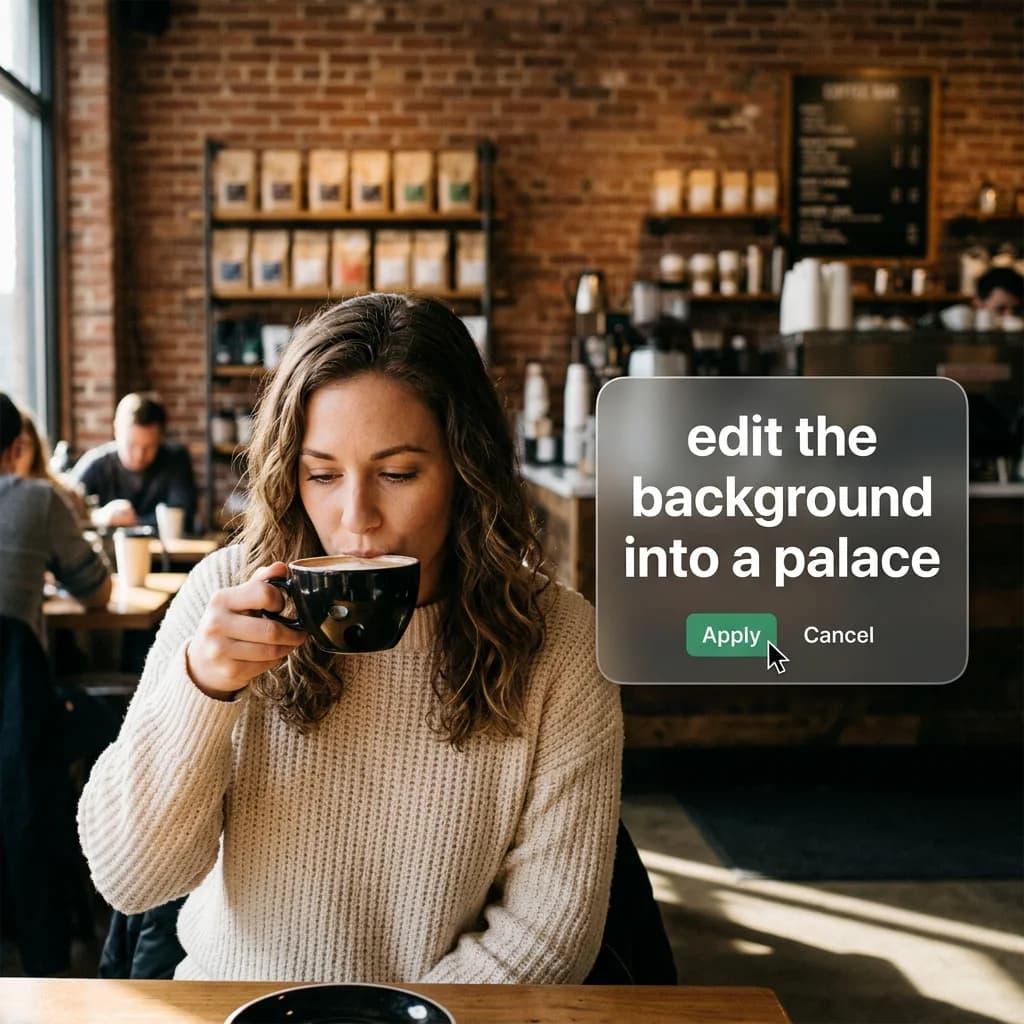
Your studio runs on these image workflows. Choose the ones your catalog needs, from background removal to logo fixes, and each ships as a single API call that just works.





AI Studio live in a week. 87% gross margin within a year.
BetterPic shipped a full AI headshot studio in a week. No ML team, no GPU stack. Just API calls, with quality evaluation, failover, and retry built in.
Margin Trend Analysis
Enterprise-grade AI image infrastructure.
Run by the team that built it.
Your images never touch our storage. Processing happens in isolated environments with automatic cleanup. Compliant by default.
SOC 2 Type II and ISO 27001 certified.
Zero customer data retention
Images are processed and returned. We don’t store your customers’ data.
Isolated processing
Every job runs in its own sandboxed environment. No cross-contamination between customers.
99.9% uptime SLA
Multi-region infrastructure with automatic failover. GPU capacity is always available.
Render your hardest SKU
Bring one SKU that AI keeps getting wrong. On the call we wire your 3D asset into the workflow and hand you one API endpoint with scored output from it. Pricing is simple and per image, so your cost tracks catalog size instead of a seat count.
Questions teams ask
What does "AI images from 3D models" mean?+
It's rendering photoreal product and lifestyle images straight from a product's existing 3D model and texture maps, instead of asking a text-to-image model to imagine the product. The 3D asset supplies the exact geometry, the diffuse maps supply the real color, and an AI pass adds the lighting and scene on top. The direction runs one way: a 3D model goes in, finished 2D product images come out. Image-to-3D mesh generators do the opposite job.
How do you keep the render true to the real product?+
The product is rendered from your 3D asset, so the shape and the logos are correct by construction. The model only generates the scene around it. Then Sentinel scores the result against the source and flags any drift before it ships.
What inputs do you need?+
A 3D model (FBX, a CAD export, or another common format) and its diffuse texture maps, or a render pulled from your 3D viewer at a set angle. Most 3D and AR commerce teams already have both from their design or scanning pipeline.
How is this different from a text-to-image model like Midjourney or Nano Banana?+
A text-to-image model draws the most plausible product from your words, so a distinctive shape comes out generic. Rendering from your 3D asset hands the model the exact geometry, so the shape holds. For lifestyle mood and backgrounds, prompting is still the right tool, and we use it for the scene around the product.
How does it scale to thousands of SKUs without manual QA?+
Every image runs through three states. Clean images pass, known defects get auto-fixed and scored, and anything unsure is held for a quick review. You only touch the few that need a human, and Sentinel scores the rest.
Can it fix defects like fur, warped logos, and color drift?+
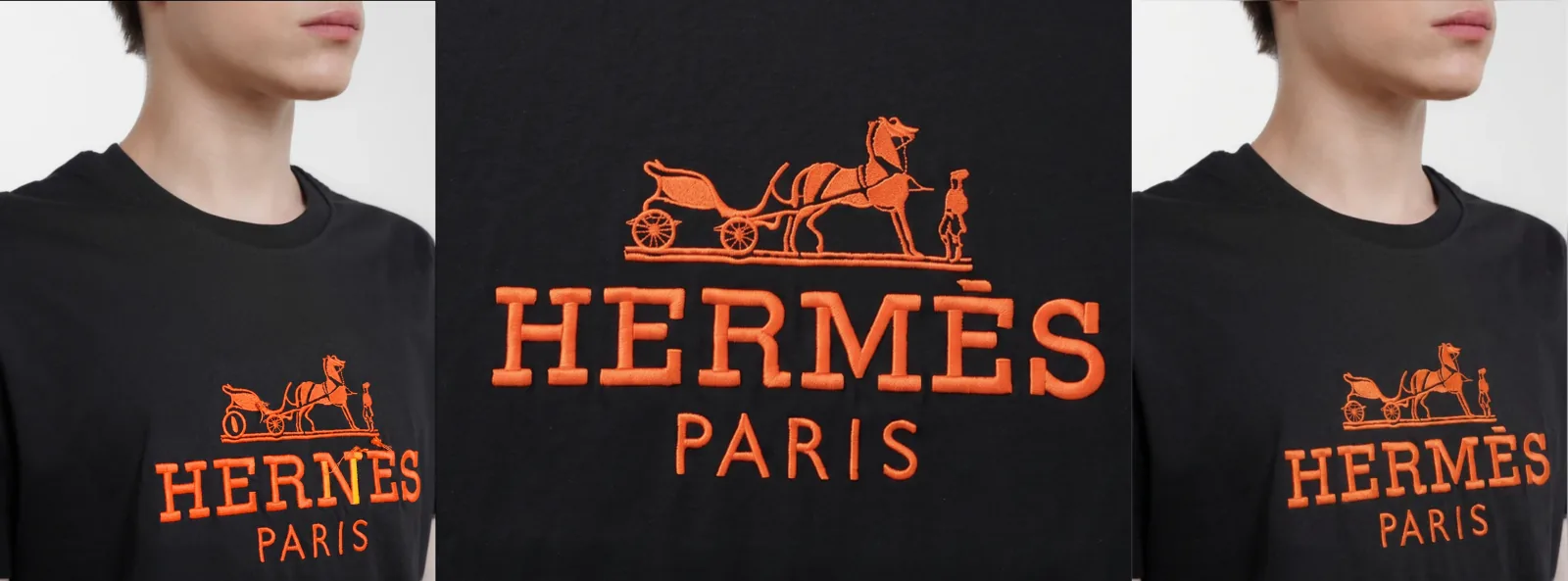
Yes. Detection checks each image for the defects on your list and triggers the matching fix, which corrects only that region without changing the rest. Sentinel then scores the corrected image.
Can you generate AR try-on and configurator imagery from the same 3D asset?+
Yes. The 3D asset that powers your viewer, AR try-on, and configurator becomes the source for product and lifestyle images, so the imagery matches what the shopper rotates on the page.
Who owns the assets and the output, and where is it hosted?+
You keep your 3D assets and every output, with no exclusivity. We can run on EU or EEA infrastructure when your brand clients need it, confirmed per workflow.
Can we plug this into our existing ComfyUI workflow or API?+
Yes. The 3D render becomes a structural input to your generation step, and you can deploy the whole workflow as one API endpoint with Runflow for ComfyUI.