Four custom image workflows. Shipped in under a week.
How Dyver replaced one inconsistent model with four production APIs, and started shipping to clients at scale.
Dyver
AI product image processing for e-commerce and retail
Product
High-volume AI image editing for product and fashion photography
Customers
E-commerce brands and retailers needing studio-quality catalog imagery at scale
Before Runflow
One general-purpose model, manual QA on every output
Delivered by Runflow
Four custom image workflows with dedicated API endpoints
Timeline
First four workflows in production in under a week
Team
No in-house AI or GPU infrastructure team required
One model can't hold catalog quality at scale.
Dyver was running every edit through one general-purpose model. On a good day it worked. At scale, output drifted: half-removed tags, artifacts on fabrics, garment edges that melted when backgrounds changed.
Because the model couldn't be trusted to stay consistent, every image was checked by a human before going to the client. Manual QA became the ceiling on volume.
Competitors were moving fast. Dyver needed consistent workflows, fast. Hiring an in-house AI team would take months they didn't have.
Four custom workflows. Four API endpoints.
Shipped in a week.
Instead of asking one model to do everything, Runflow built a dedicated workflow for each job: shopping tag removal, model removal, additional product removal, and background removal.
Each workflow is purpose-built: models plus post-processing tuned for one task. Dyver calls it with a single API request. No model selection, no pipeline engineering, no GPU management.
All four shipped in under a week. New edit types follow the same path. Client requests become endpoints, not roadmap items.
Purpose-built per task
Each workflow is engineered for a specific edit. Consistent output at catalog scale, not one-model-fits-all.
Days, not quarters
New workflows go from spec to production API in days. Dyver ships to clients at the pace of their requests.
The four workflows Runflow built for Dyver.
Drag any card to reveal the before and after. Each grid shows real production output.
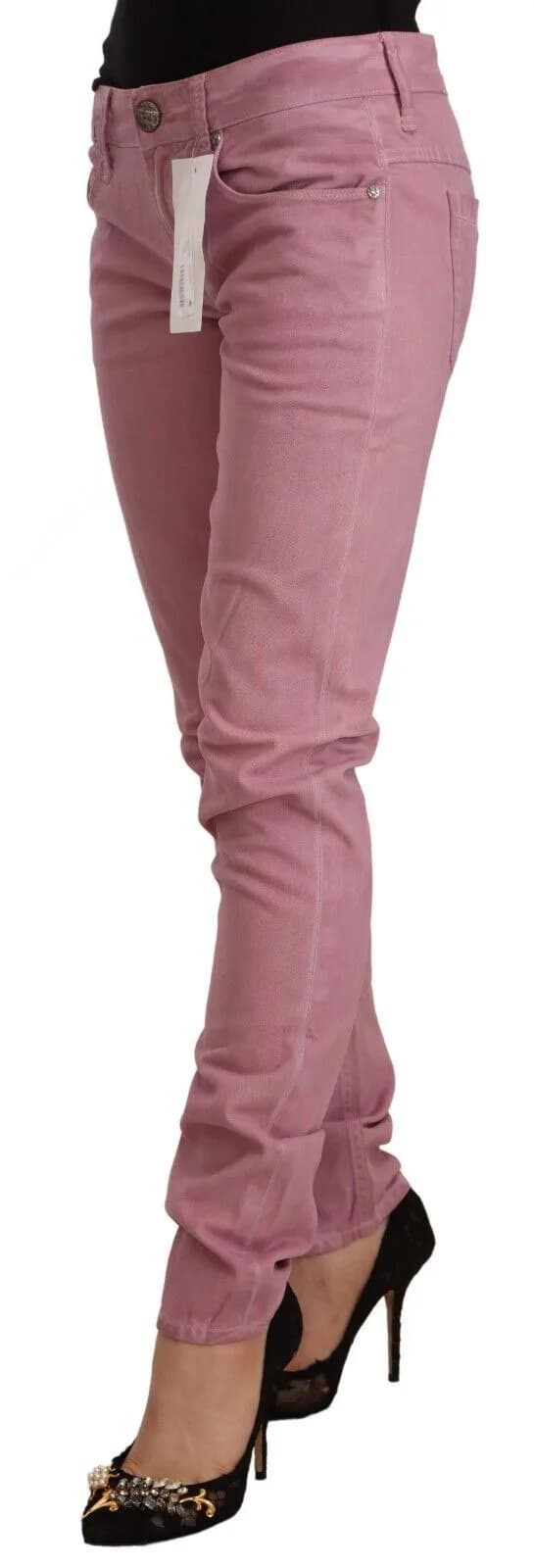
Shopping Tag Removal
Live3 samplesRemove brand and price tags from product photography while preserving fabric detail and texture.
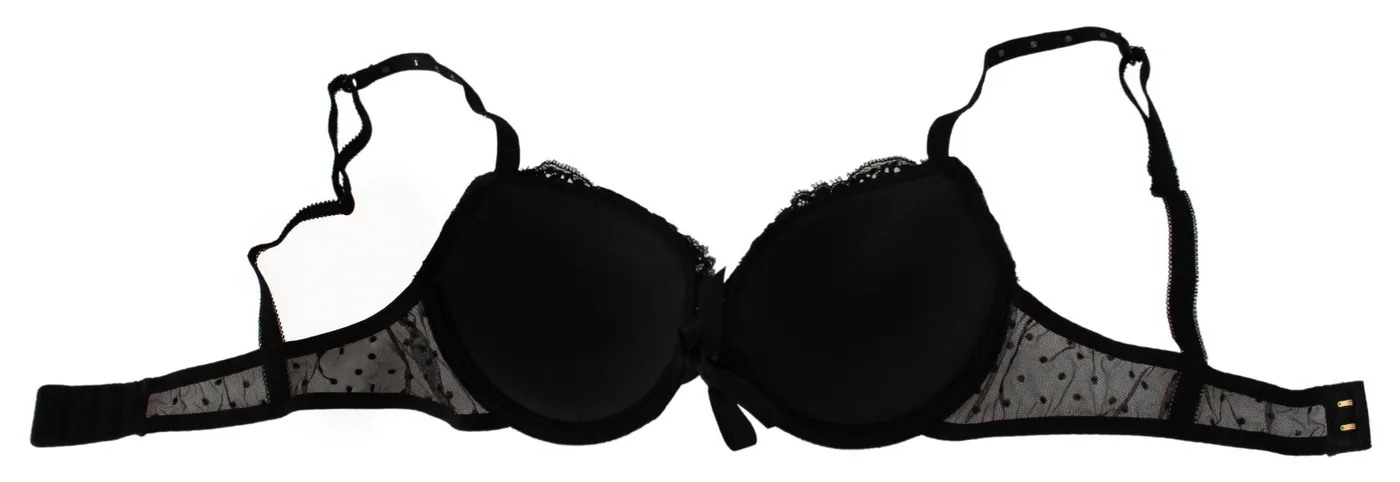
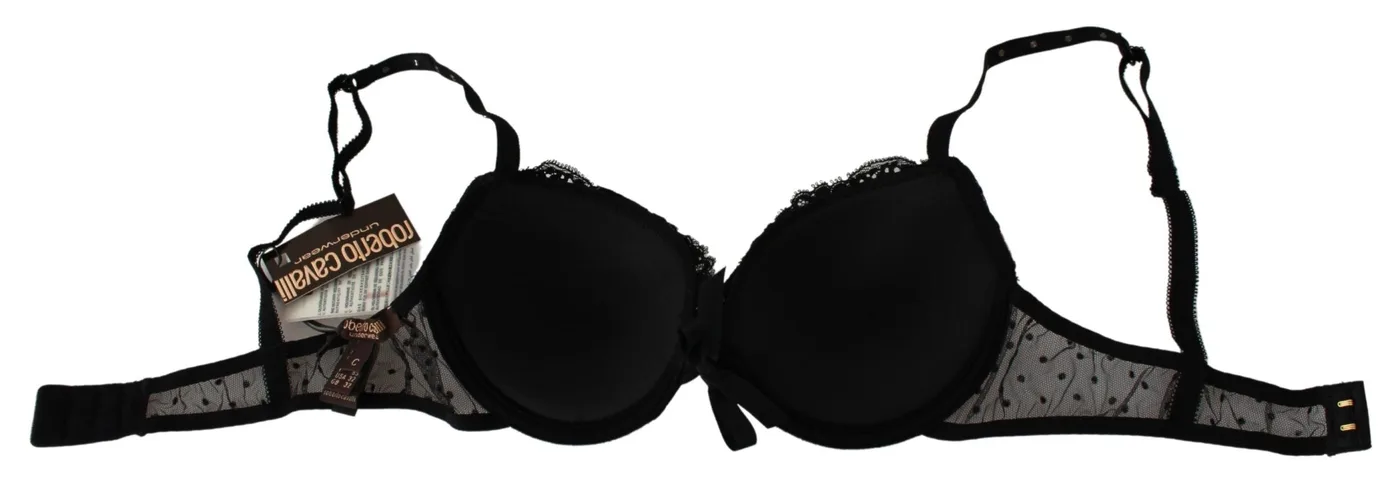
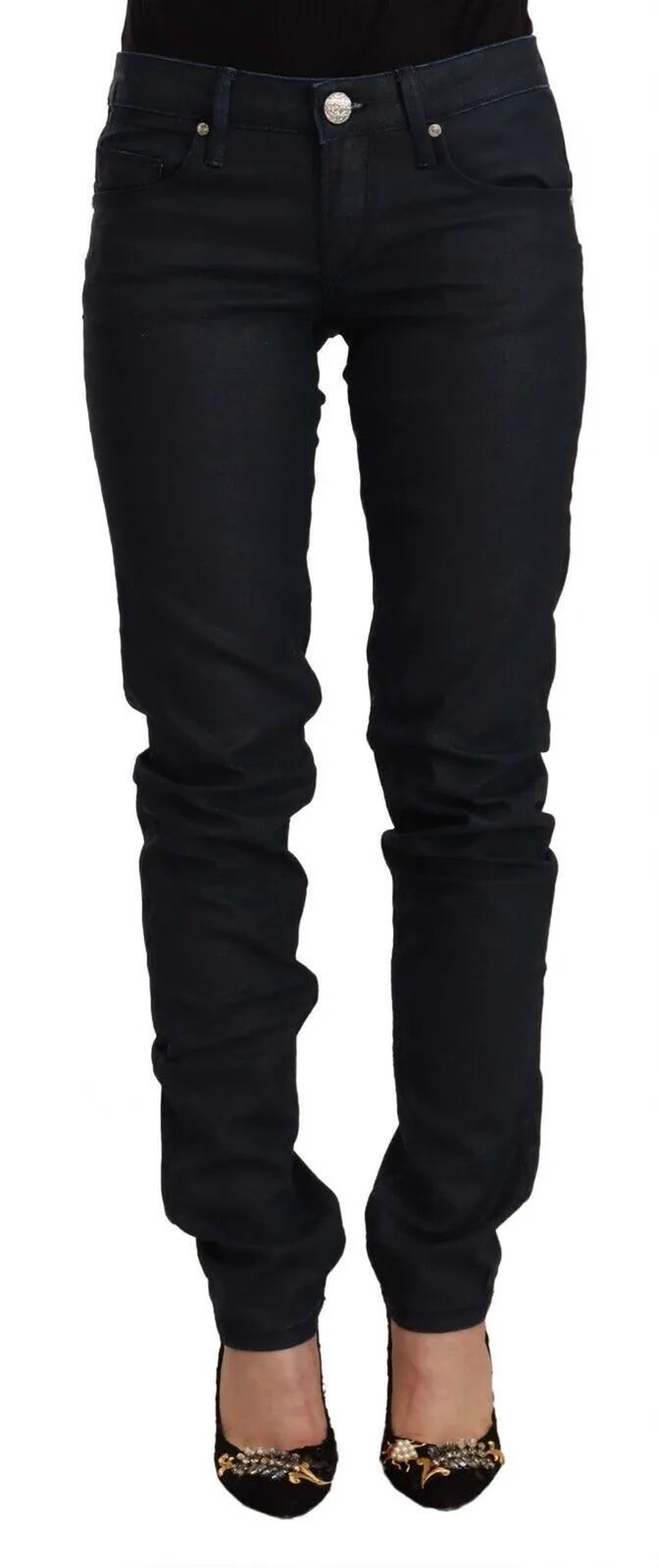
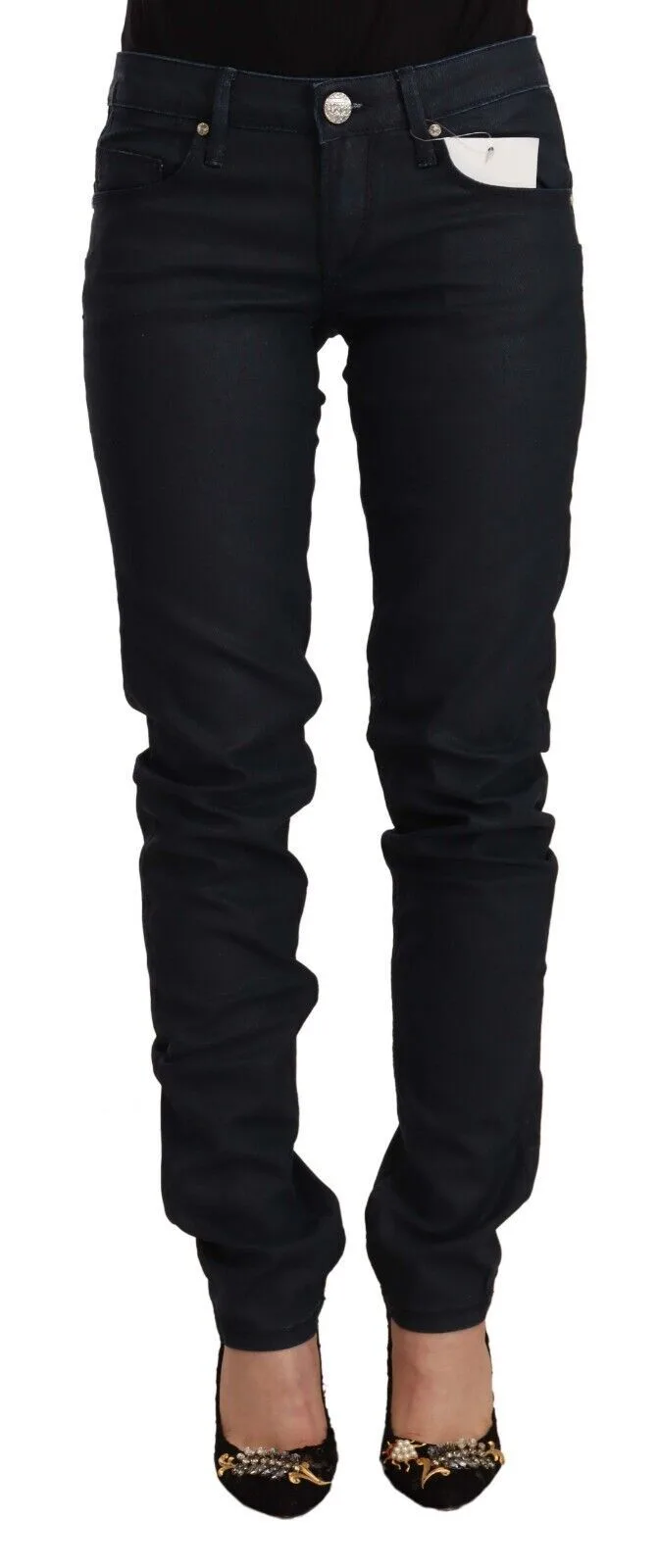
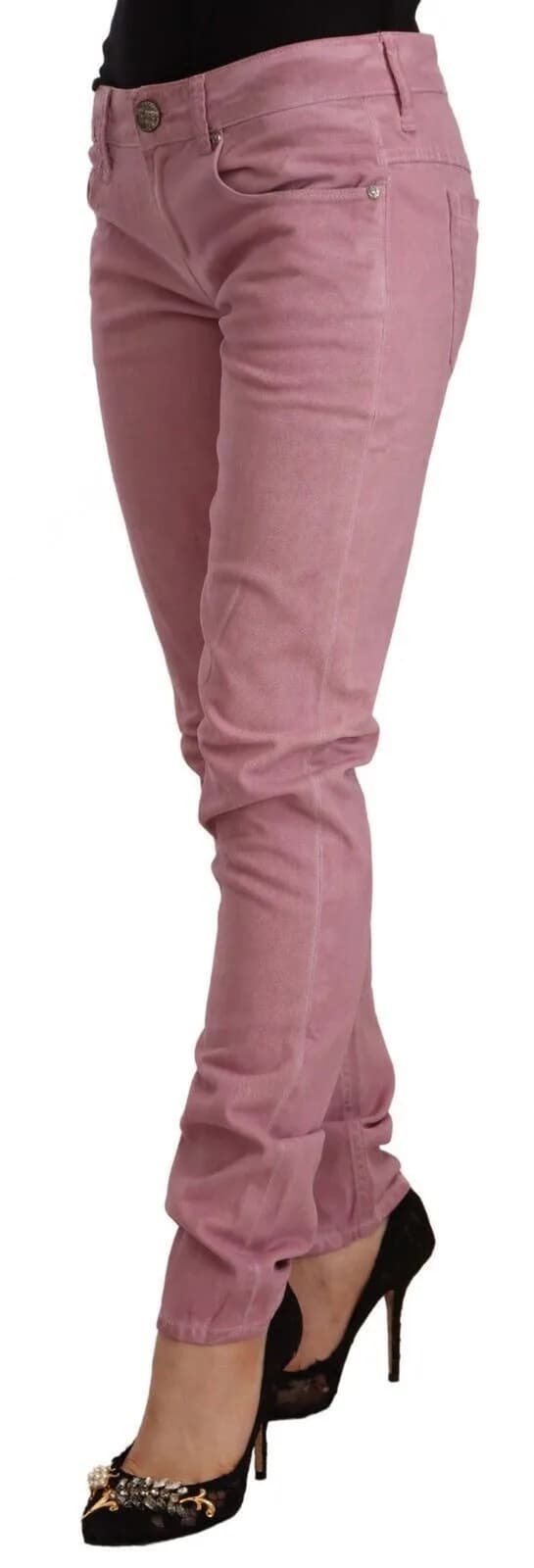
Model Removal
Live3 samplesExtract garments and accessories from model photography to produce flat-lay style product shots.
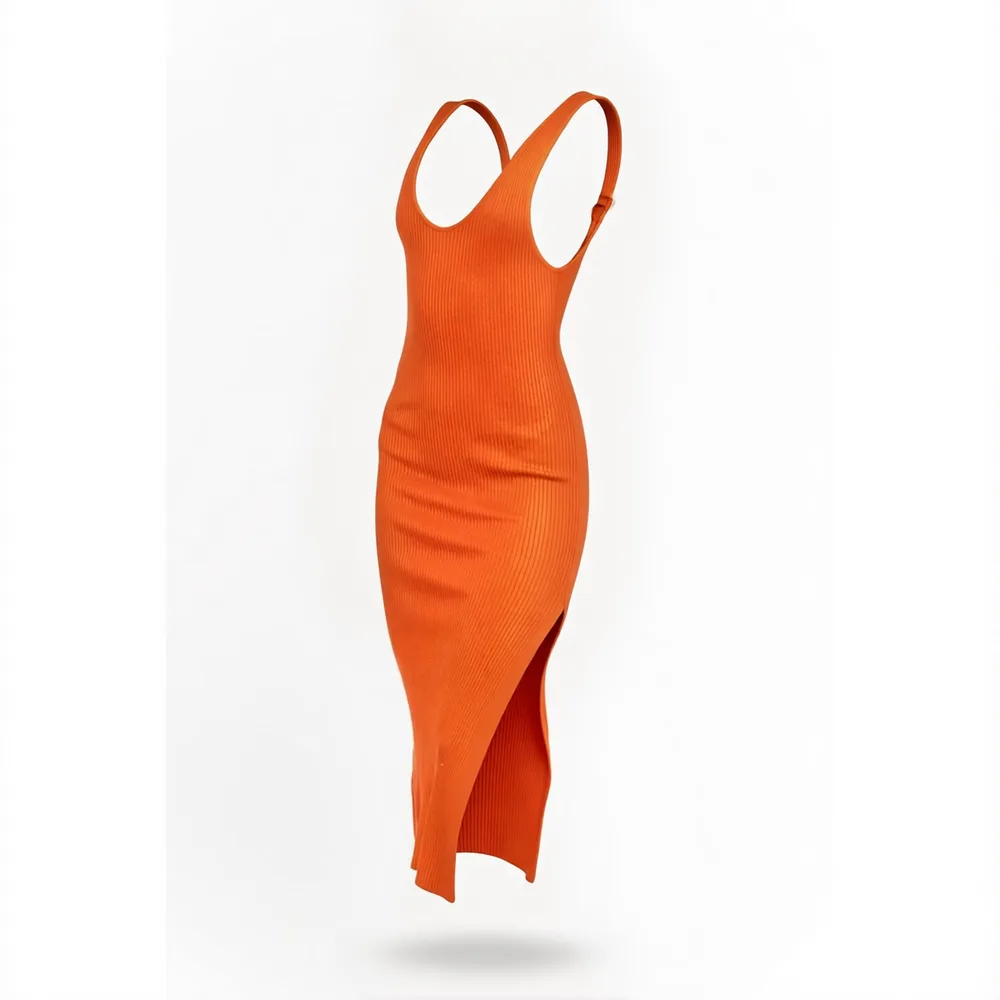
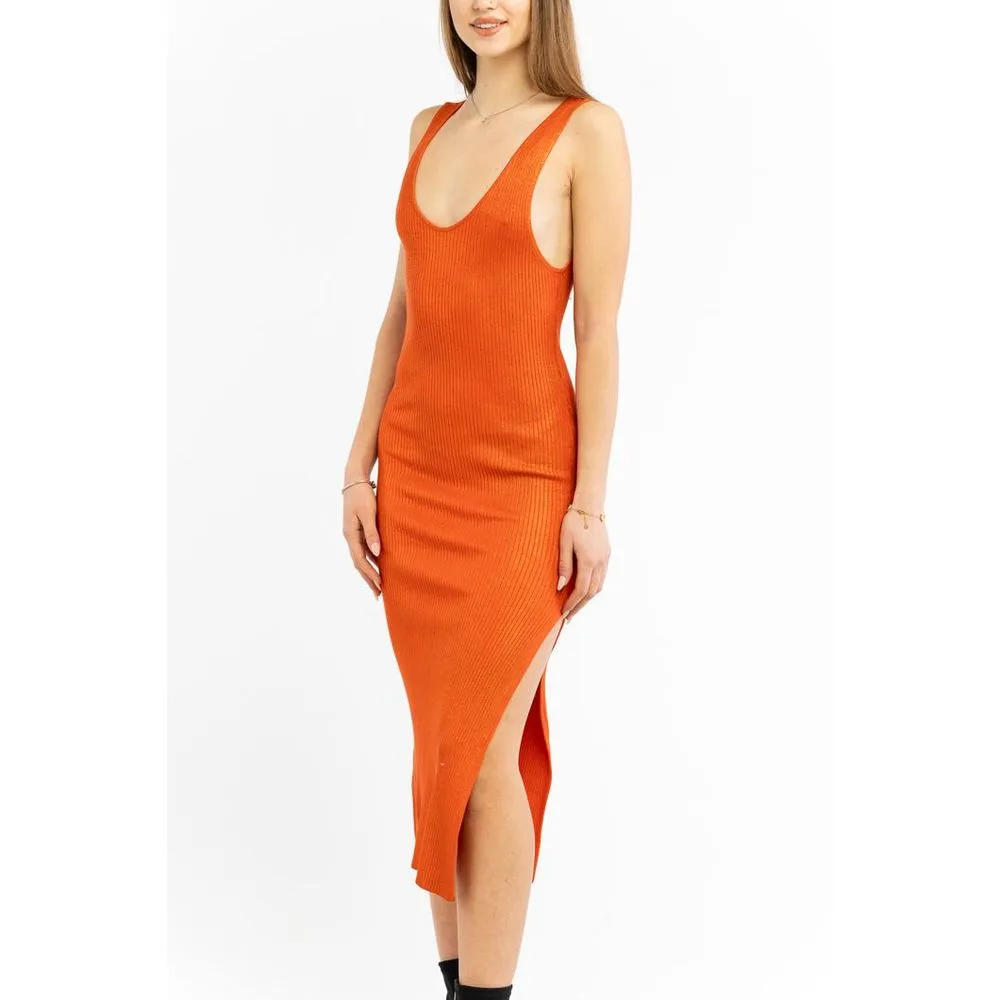
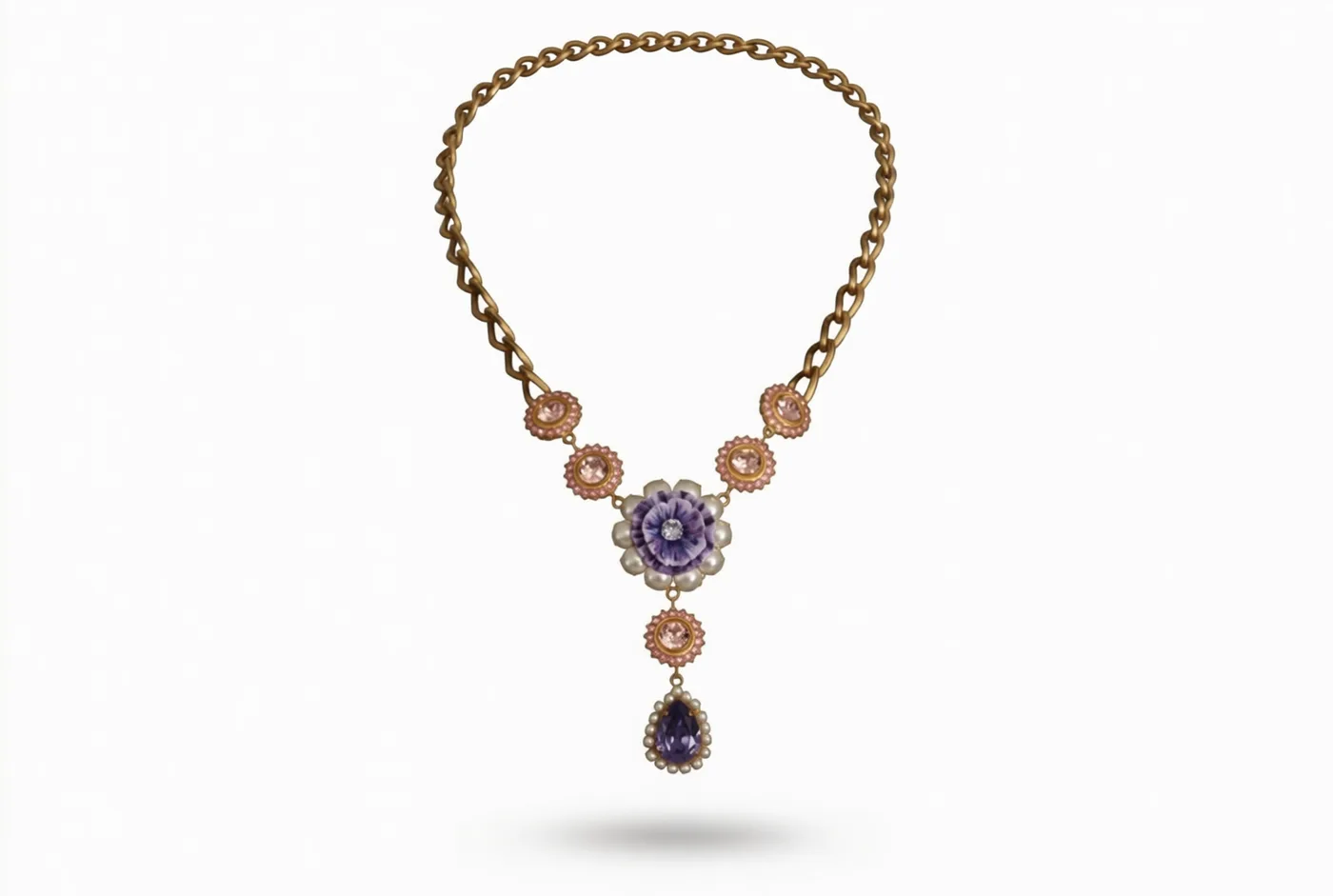
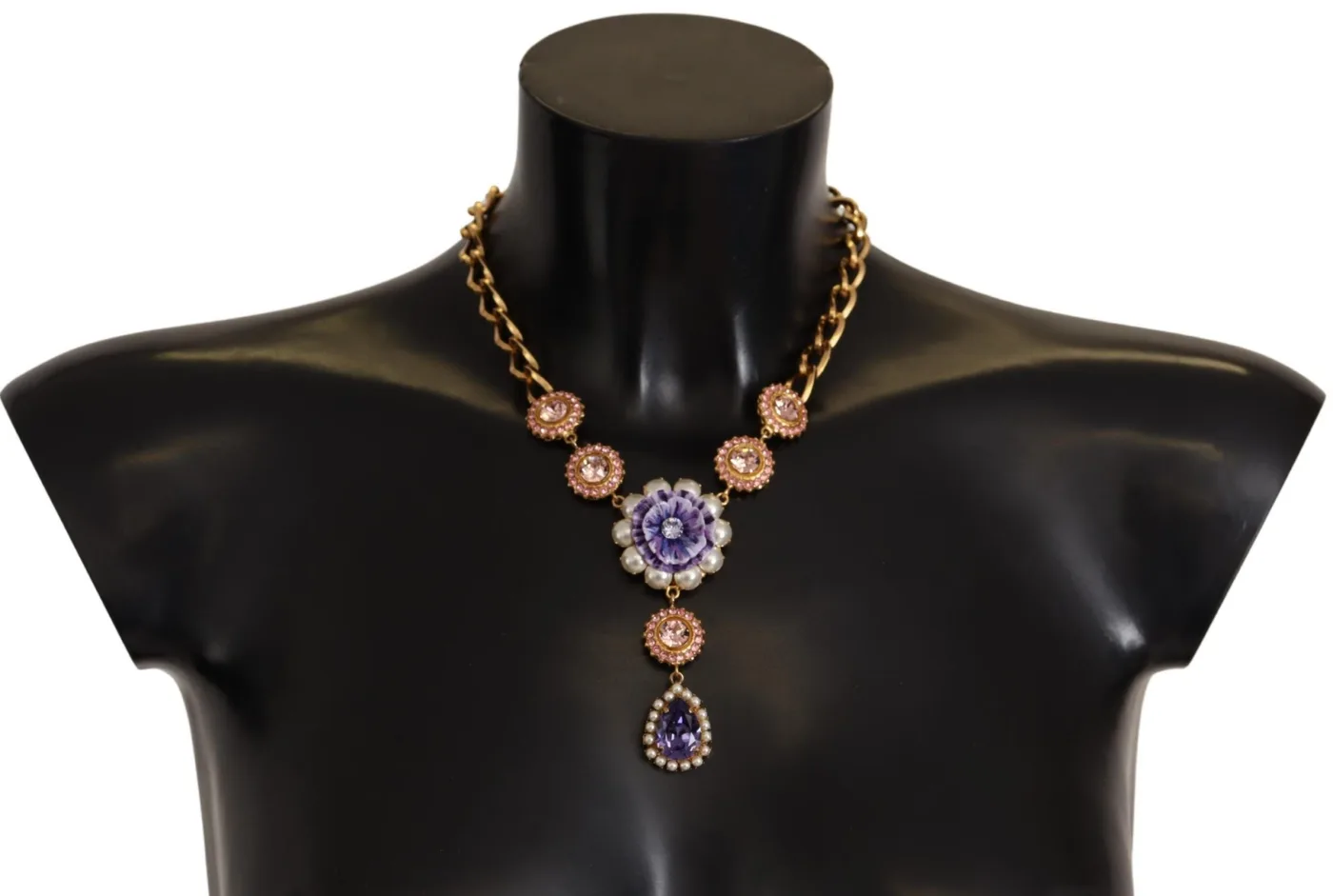
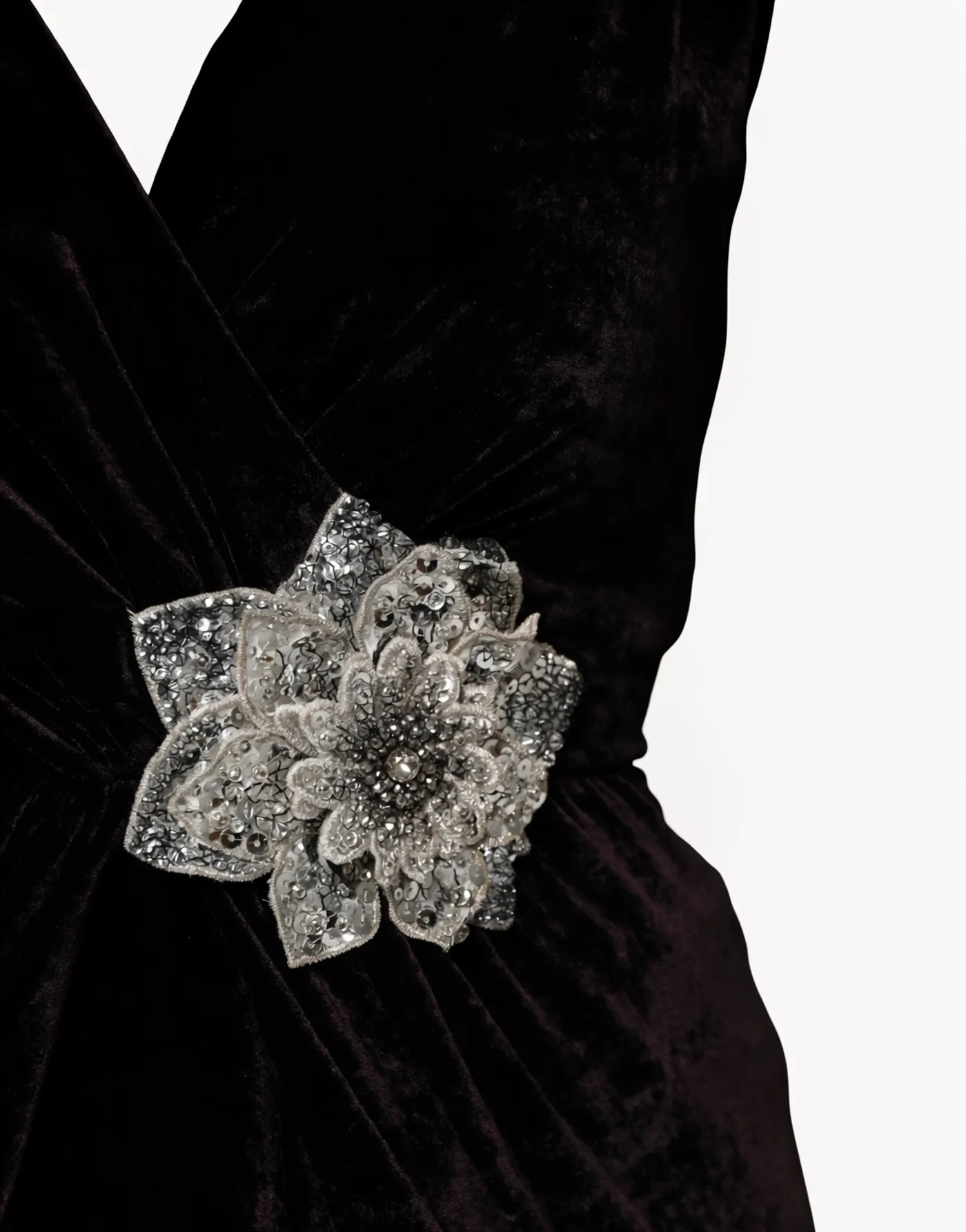
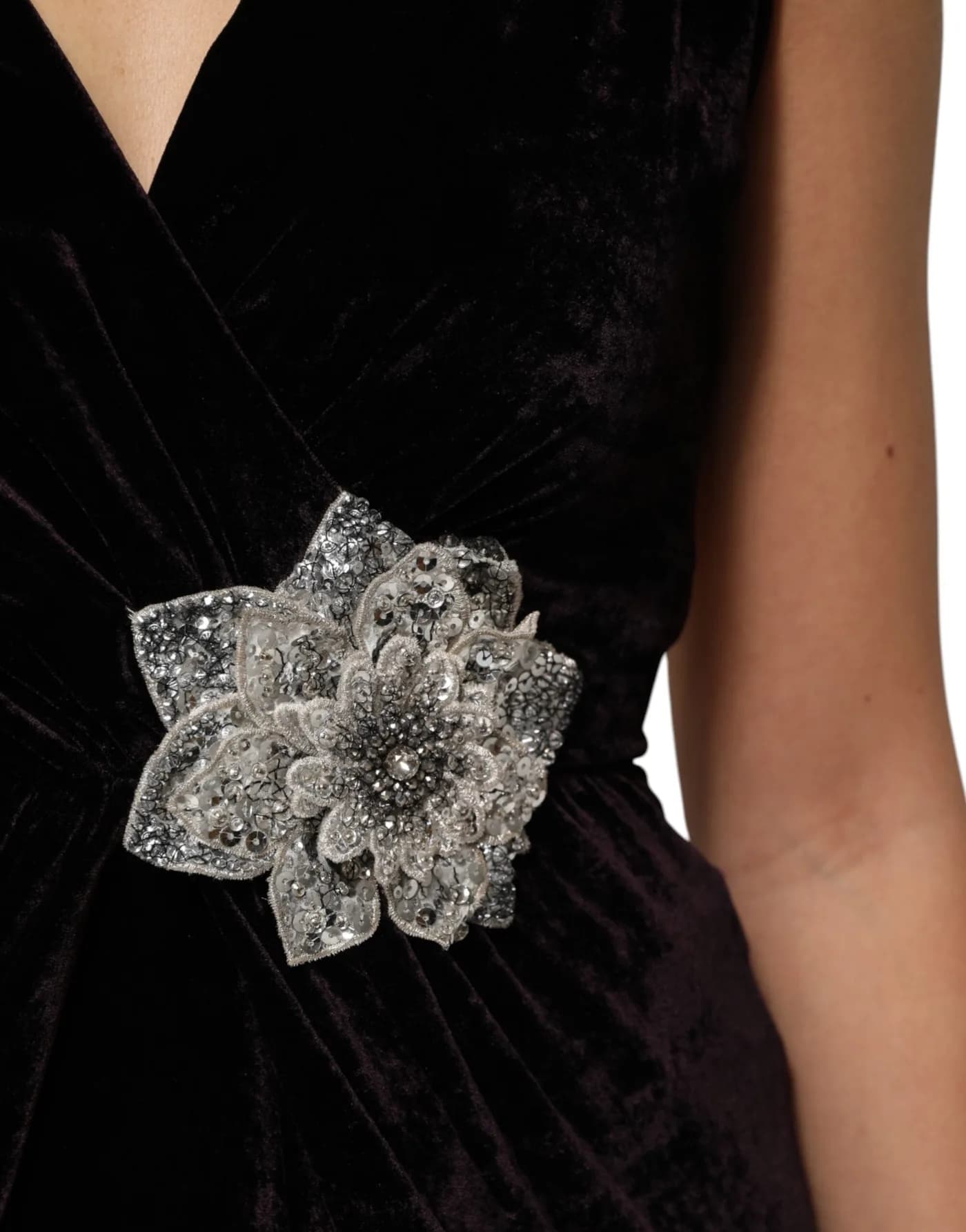
Additional Product Removal
Live3 samplesIsolate the hero product by removing secondary items, accessories, and styling props from the scene.
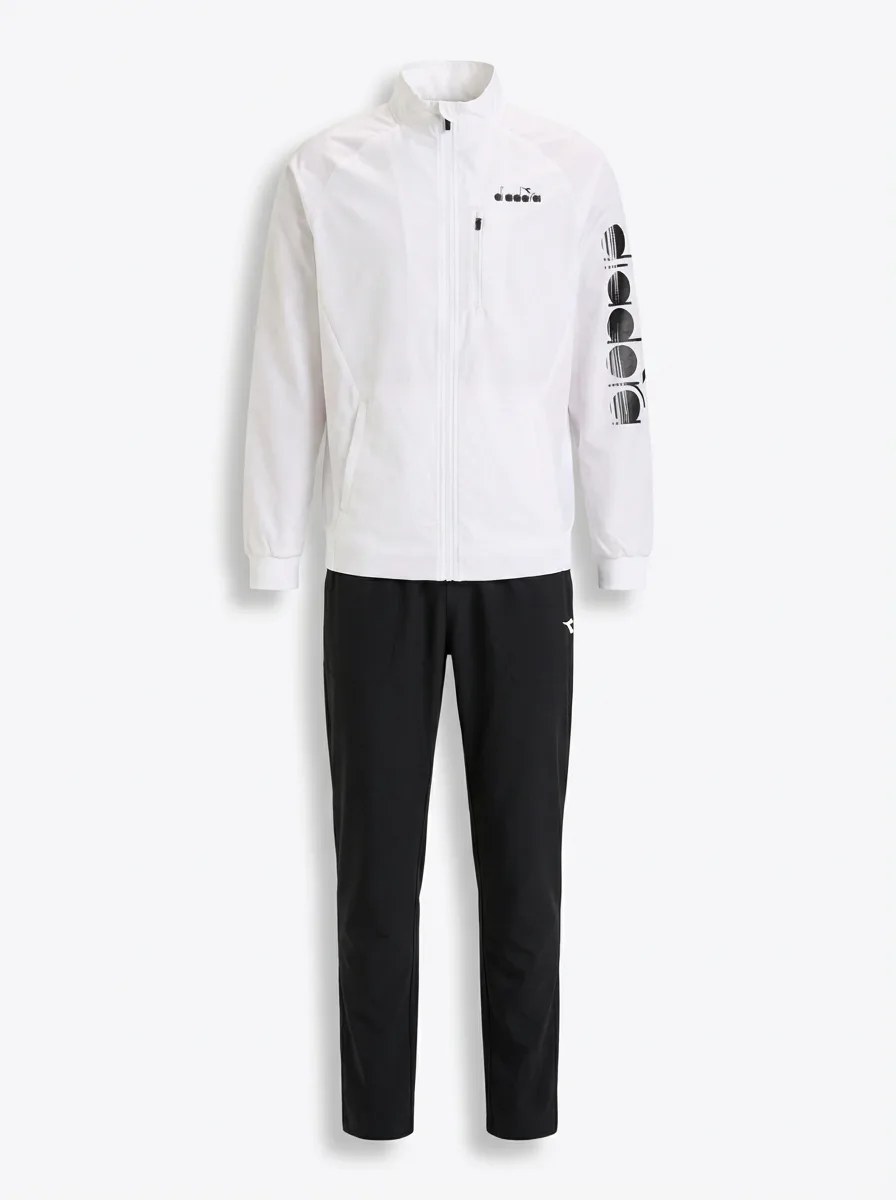
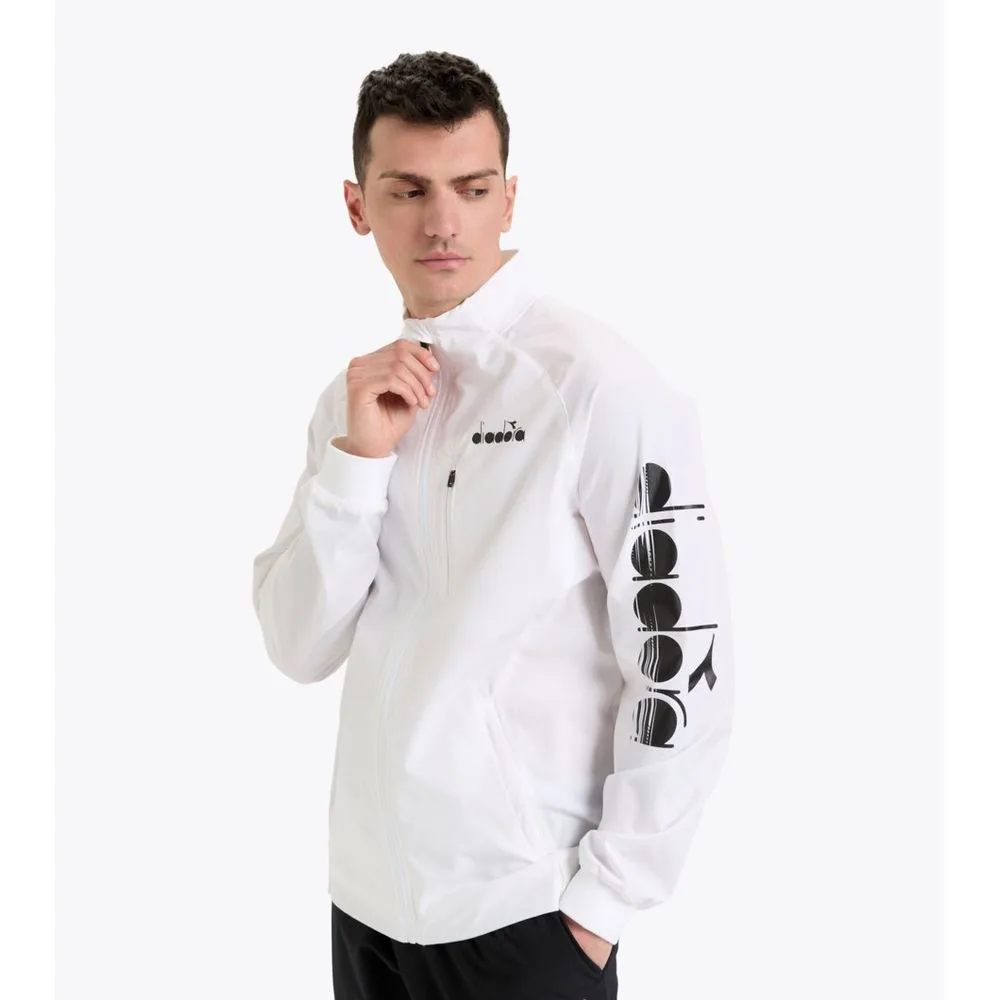
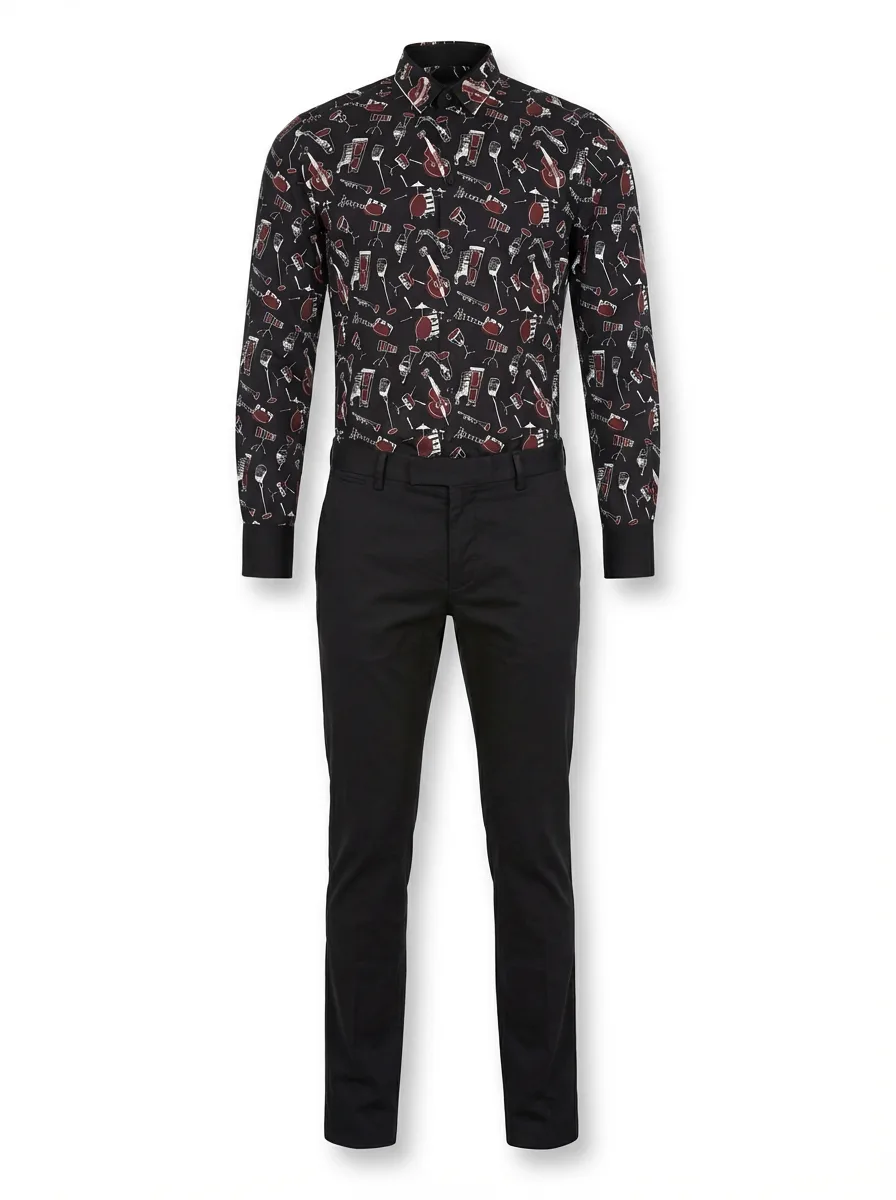
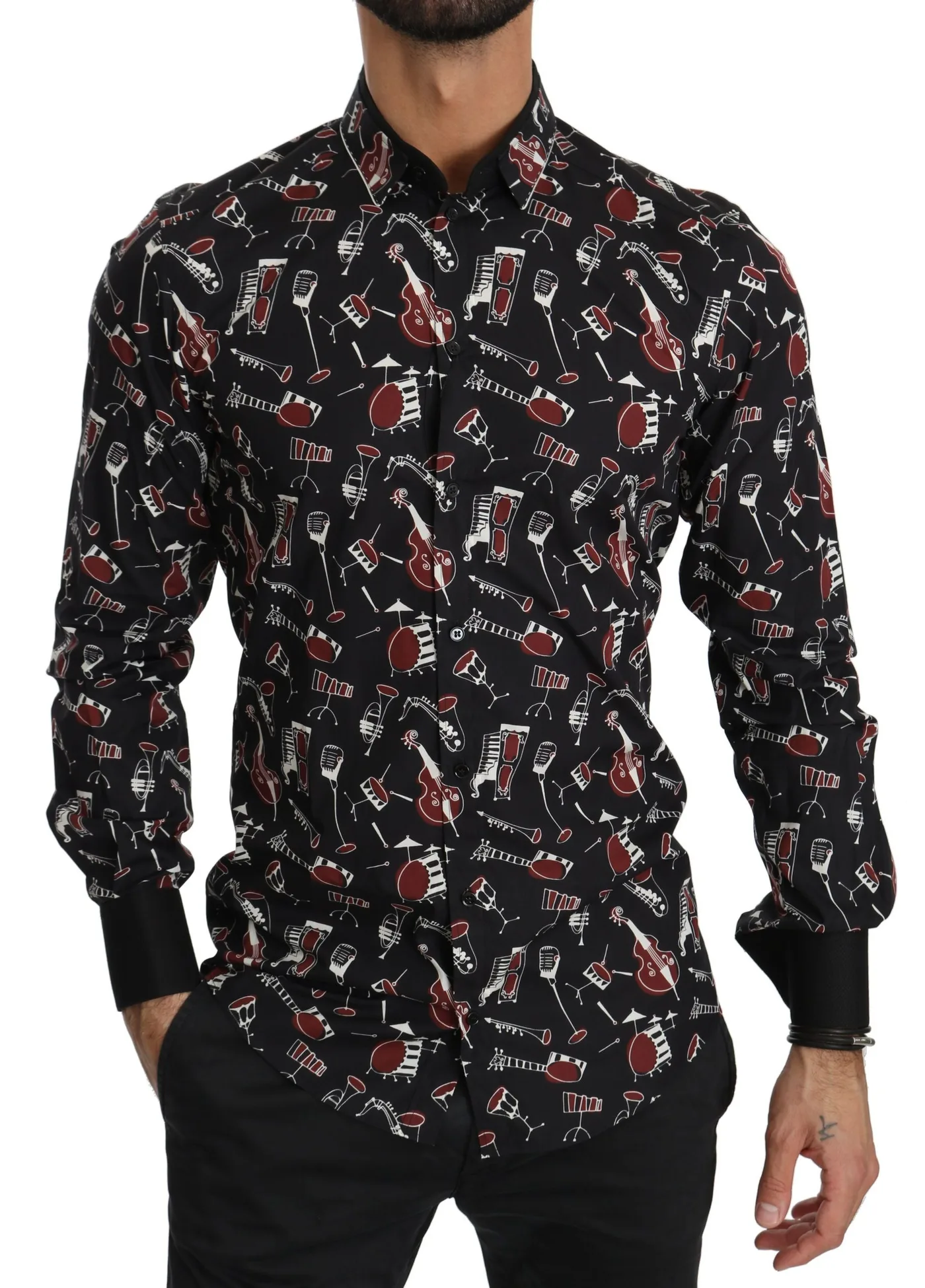
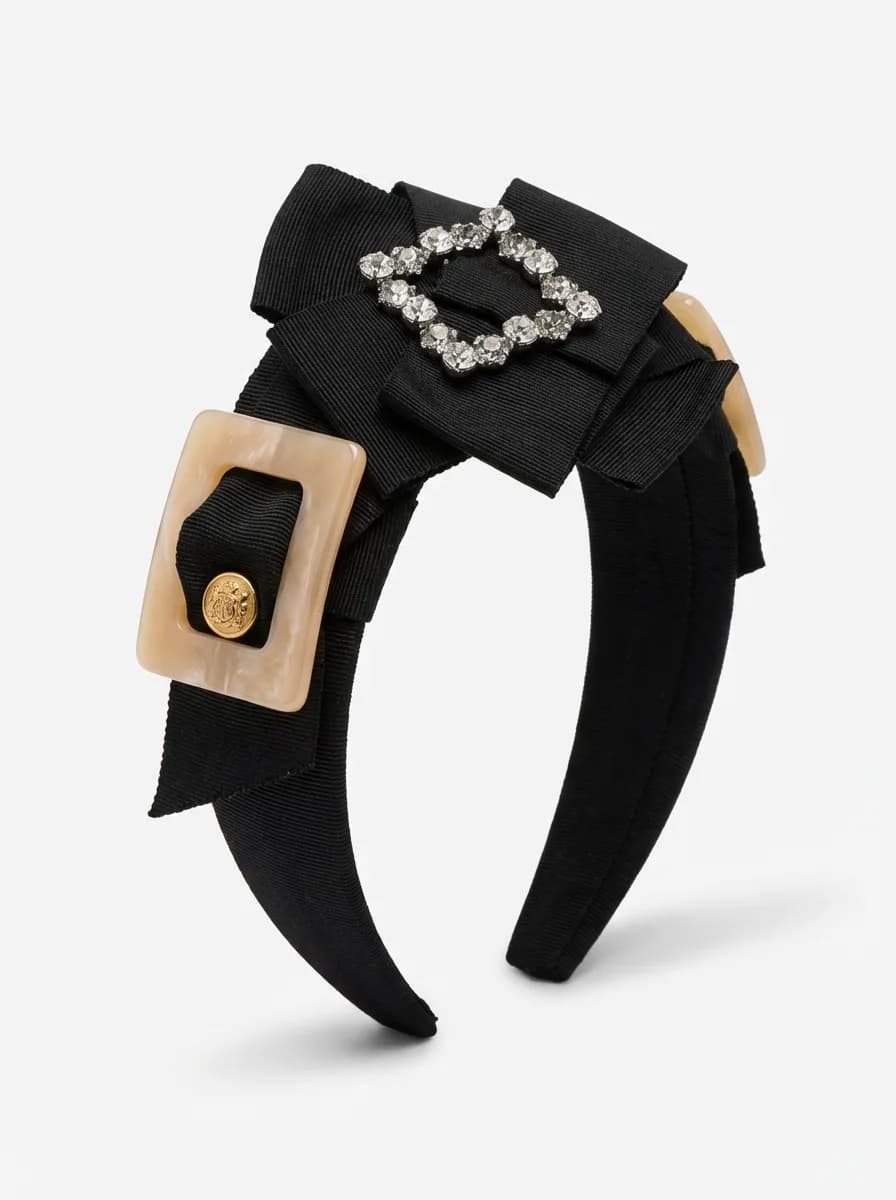
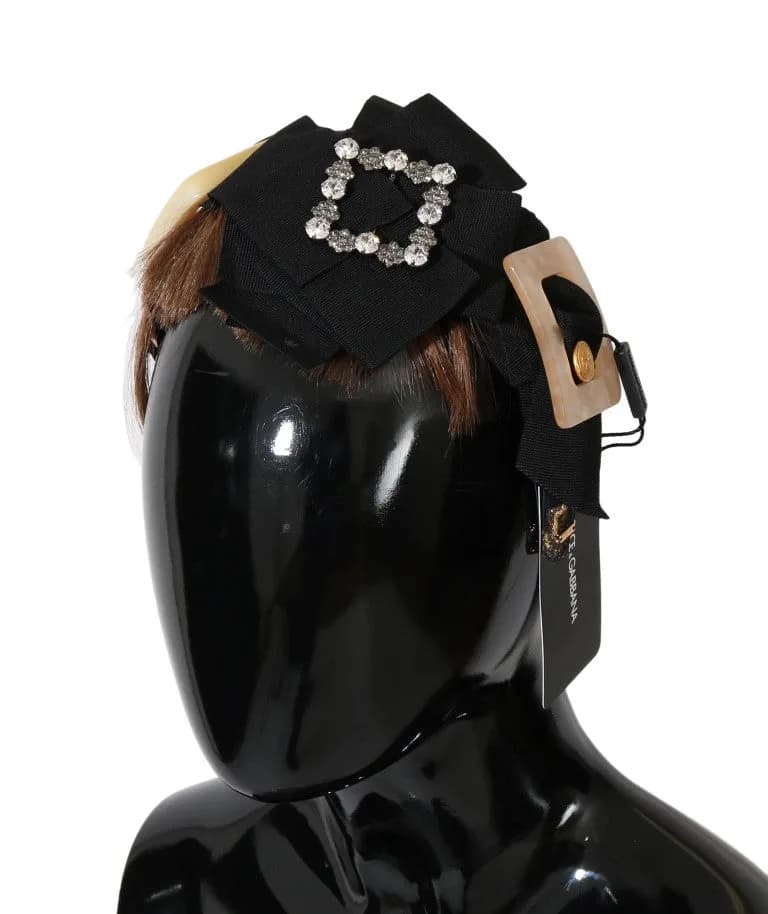
Background Removal
LiveClean isolation of products from complex backgrounds, producing studio-quality white or transparent cuts.
Production workflow. Sample gallery available on request.
Two callbacks per image.
Reviewers only see one.
Dyver sends Runflow an image. Runflow runs the edit and ships the result back in under three seconds. A second callback follows with Sentinel's score, a pass/fail, and any artifacts it caught. Reviewers stop scanning every output. They only see what Sentinel flagged.
Delivering to clients at scale.
Dyver went from firefighting one unreliable model to running four production workflows with consistent output. New edit types ship as live endpoints in days, not quarters.
- One general model for every edit
- Manual QA on every output
- Client volume capped by review capacity
- New edit types blocked on hiring an AI team
- Four purpose-built workflows in production
- Consistent output across the catalog
- Quality signals surface outliers automatically
- New workflows shipped in days through a single API
Want your own custom workflow?
Describe the edit you need. Runflow builds the workflow, ships the endpoint, and you scale on top.